August 26, 2026
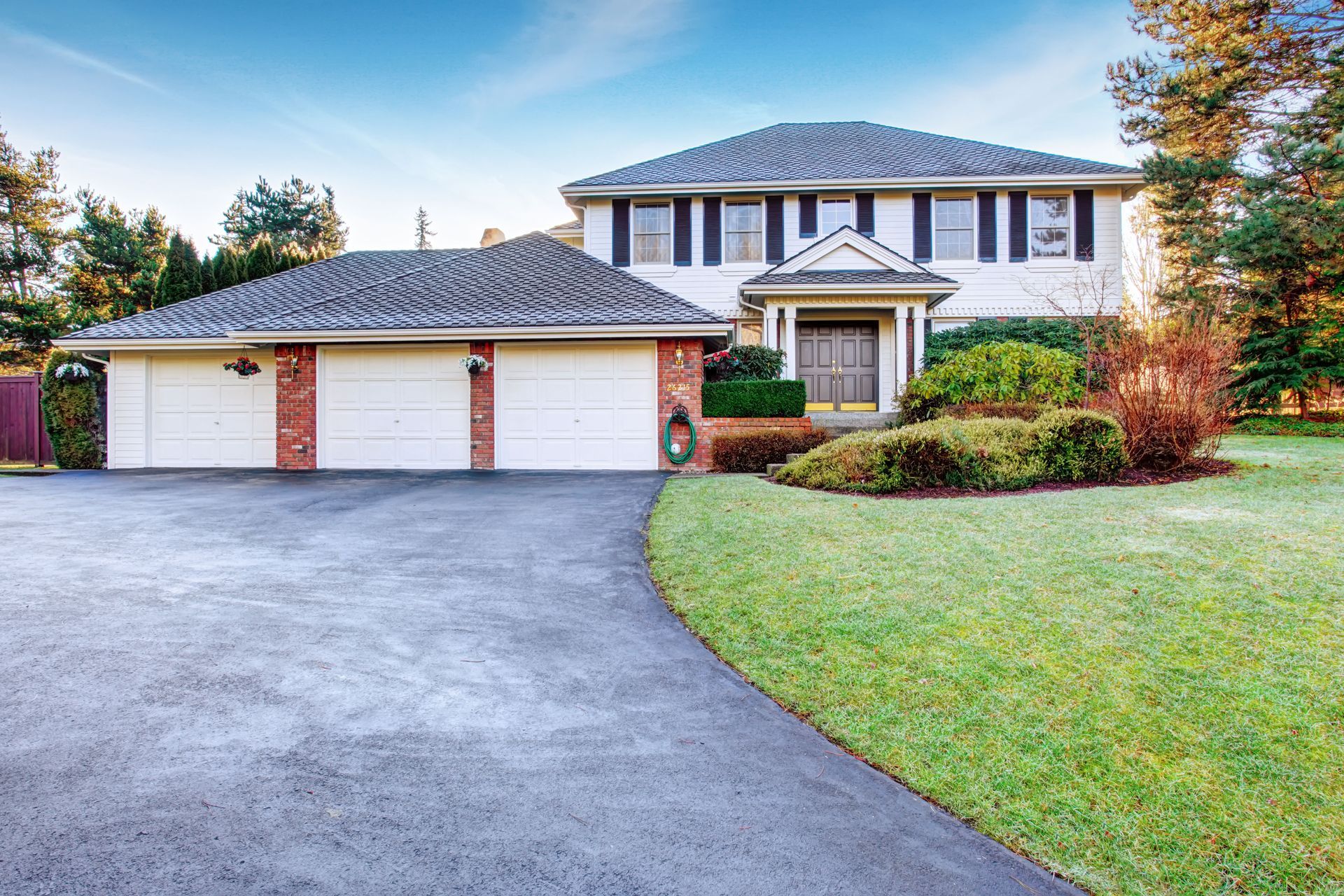
An asphalt driveway is a major home improvement investment that significantly enhances the curb appeal, functional access, and overall financial value of any residential property. However, continuous exposure to heavy vehicular loads, harsh seasonal weather cycles, severe solar radiation, and toxic automotive fluids can gradually compromise its internal structural integrity. Understanding the complex composition of asphalt, utilizing optimal professional installation techniques, and committing to proactive routine maintenance can dramatically maximize its functional lifespan. Investing in continuous professional care from established asphalt companies ensures that subtle foundational issues are addressed long before surface damage leads to complete structural failure. With proper ongoing care and timely technical interventions, an asphalt driveway may last up to 25 years with proper maintenance, according to Today's Homeowner. This comprehensive guide explores proven strategies to protect your pavement investment, preserve your capital, and keep your paved surfaces looking pristine for decades.
Understanding Asphalt Composition and Deterioration Factors
Asphalt is an engineered composite material composed of dense mineral aggregates, such as crushed stone, gravel, and sand, tightly bound together by a viscous petroleum binder known as bitumen. The structural aggregates provide physical load-bearing capacity and internal resistance, while the flexible bitumen binder offers essential waterproofing, elasticity, and cohesive binding strength. High-quality asphalt mixtures are engineered to absorb heavy traffic weight while continuously expanding and contracting with seasonal ambient temperature changes without cracking.
Despite its inherent resilience, asphalt begins to degrade immediately upon exposure to severe environmental elements. Solar ultraviolet radiation causes oxidation, which chemically breaks down the flexible bitumen binder and transforms the dark surface into a brittle, gray structure. Water penetration is equally destructive; when moisture seeps into sub-surface voids and freezes during winter, it expands, causing internal hydraulic pressure that produces widespread cracking, surface raveling, and deep potholes. Identifying early physical signs of wear—such as surface fading, hairline cracks, and loose aggregate—enables homeowners to take preventative action long before complete subgrade failure occurs.
The Importance of Professional Installation and Subgrade Preparation
The total operational lifespan of an asphalt driveway is largely determined on the exact day it is installed. Partnering with reputable, certified asphalt companies guarantees that subgrade preparation, hot-mix material temperature management, and mechanical compaction strictly adhere to rigorous engineering standards. A weak, uncompacted, or poorly drained subgrade foundation inevitably leads to rutting, structural sagging, and premature cracking, regardless of how thick the top layer of hot-mix asphalt is applied.
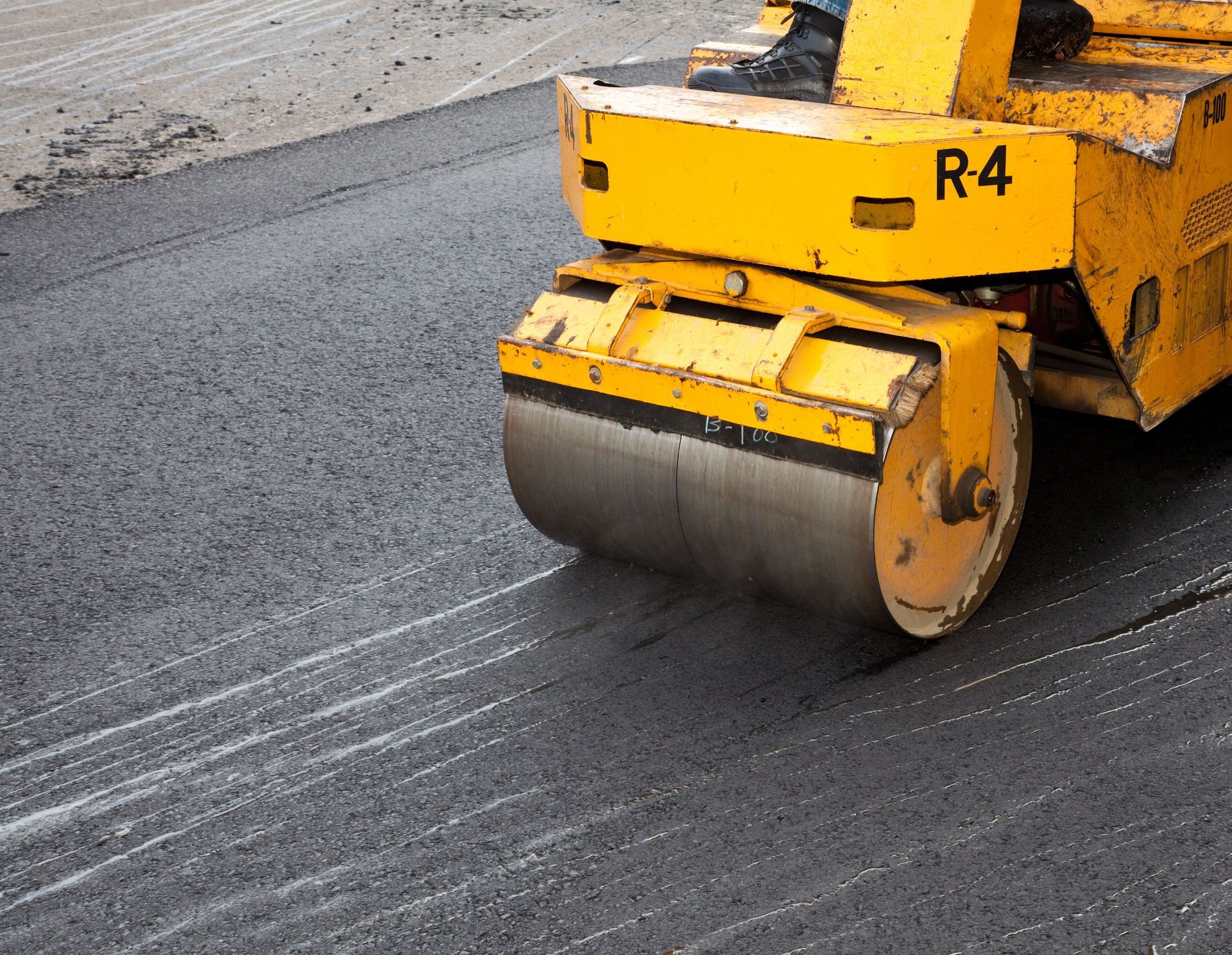
Proper drainage design during initial site excavation is another critical factor in preserving long-term pavement longevity. Experienced asphalt companies grade the sub-base with a precise slope pitch to ensure continuous surface runoff drains safely away from the driveway edges and neighboring building foundations. Additionally, installing hot asphalt during optimal weather conditions—typically dry weather with ambient temperatures above 50 degrees Fahrenheit—ensures the hot mix remains pliable long enough to achieve maximum structural density during heavy mechanical rolling. Proper initial compaction establishes an airtight barrier against moisture intrusion.
Essential Routine Maintenance and Protective Sealcoating
Routine maintenance is the single most effective, cost-efficient strategy for extending the functional life of an asphalt driveway. Sweeping away organic debris, leaves, and accumulated dirt prevents standing moisture traps that break down the top aggregate layer. Promptly cleaning automotive oil, gasoline, and brake fluid spills is equally critical, as petroleum-based chemicals dissolve the bitumen binder, creating soft, crumbling spots in the asphalt.
Sealcoating is a foundational preventative practice that acts as a tough, sacrificial barrier against UV oxidation, heavy rain, and chemical contamination. Applying a commercial-grade sealcoat every two to three years seals micro-fissures and prevents surface water from reaching the vulnerable sub-base. Experienced asphalt companies utilize high-performance coal-tar or specialized asphalt emulsion sealers that restore the deep black appearance of the pavement while maintaining essential material elasticity. Regular sealcoating prevents surface weathering and drastically lowers lifetime repair expenses over the property's lifespan.
Crack Filling, Structural Repairs, and Water Management
Preventing sub-surface water intrusion requires immediate technical attention to open surface cracks as soon as they appear. Unsealed linear cracks allow rainwater and melted snow to flow freely into the sub-base, rapidly weakening the supportive soil beneath the driveway. During freezing winter conditions, freeze-thaw cycles expand these water-filled voids, quickly turning minor hairline fissures into widespread alligator cracking and severe structural potholes.
Filling active cracks with specialized, hot-applied rubberized joint sealants establishes a flexible, watertight bond that expands and contracts with seasonal thermal shifts. For localized surface damage or shallow depressions, hot-mix asphalt patching restores structural integrity without requiring a total pavement teardown. Consulting with professional asphalt companies helps homeowners accurately determine whether localized patching, full-surface resurfacing overlays, or complete subgrade reconstruction is necessary based on the physical condition of the pavement.
Protective Measures Against Extreme Seasonal Weather
Drastic seasonal climate changes introduce distinct physical hazards to residential asphalt surfaces. During intense summer heat waves, raw asphalt softens, making it exceptionally vulnerable to power steering scuffs, kickstand gouges, and heavy vehicle load depressions. Applying protective sealcoat shields the surface from extreme heat degradation, while avoiding parking heavy machinery on the driveway during peak afternoon hours prevents surface deformation.
Winter weather brings destructive freeze-thaw cycles and severe chemical exposure risks. When clearing heavy snow, using snow shovels with rubber blades or properly adjusted snowblower shoes prevents gouging the aggregate surface. While chemical de-icers keep driveways clear of ice, excessive chemical application can accelerate aggregate erosion and penetrate unsealed joints. Using non-corrosive traction agents like coarse sand minimizes chemical degradation while maintaining winter safety. Proactive winter care prevents severe springtime surface fatigue.
Lifespan Factors: Traffic Loads, Soil Dynamics, and Material Engineering
Several baseline variables dictate how well an asphalt driveway ages across decades of continuous use. Daily traffic volume and total vehicle weight exert continuous physical stress on the pavement structure. Residential driveways designed primarily for standard passenger cars will experience accelerated structural fatigue if heavy delivery vehicles, commercial trucks, or oversized recreational vehicles park on them frequently without reinforced base thickness.
Subgrade soil dynamics also play a massive role in long-term surface performance. Expansive clay soils shift significantly with seasonal moisture fluctuations, causing ground movement that cracks surface pavement above. Experienced asphalt companies evaluate localized soil conditions prior to installation, adding aggregate sub-bases or geotextile stabilization fabrics to mitigate ground movement. Investing in premium polymer-modified asphalt mixtures improves elasticity and thermal performance, further expanding total driveway life.
Maximizing the functional lifespan of your asphalt driveway requires a disciplined combination of expert initial installation, proactive routine maintenance, and timely structural repairs. Protecting your pavement from UV oxidation, deep moisture penetration, toxic chemical spills, and heavy vehicle load stress ensures that your driveway remains smooth, safe, and visually appealing for decades to come. Taking a preventative approach to pavement management transforms your driveway from a vulnerable exterior surface into a long-lasting capital asset that continually enhances your home's curb appeal and market value.
Committing to simple ongoing care—such as routine sweeping, prompt hot-applied crack sealing, and periodic professional sealcoating—preserves your pavement's internal flexibility while eliminating the need for expensive, premature repaving projects. Rather than waiting for minor surface hairline cracks to expand into widespread alligator cracking and deep subgrade potholes, addressing minor pavement defects early shields your budget from unexpected emergency repairs. Partnering with seasoned paving professionals guarantees that your property receives precise site grading, high-performance materials, and tailored maintenance plans built to withstand harsh seasonal weather changes. When you are ready to protect your investment, repair structural cracks, or apply a high-performance protective sealcoat to your pavement, trust the experienced team at West Point Paving Inc. to deliver exceptional craftsmanship, durable materials, and lasting results.